
Wing Tai: Why the Boutique Premium Is a Wider Spread
Sub-600-unit projects never produce enough transactions to anchor a value. Wing Tai's scarcity premium and its slow exits are the same property, not two.
By Invest Singapore Editorial · Updated September 23, 2026 · 8 min read
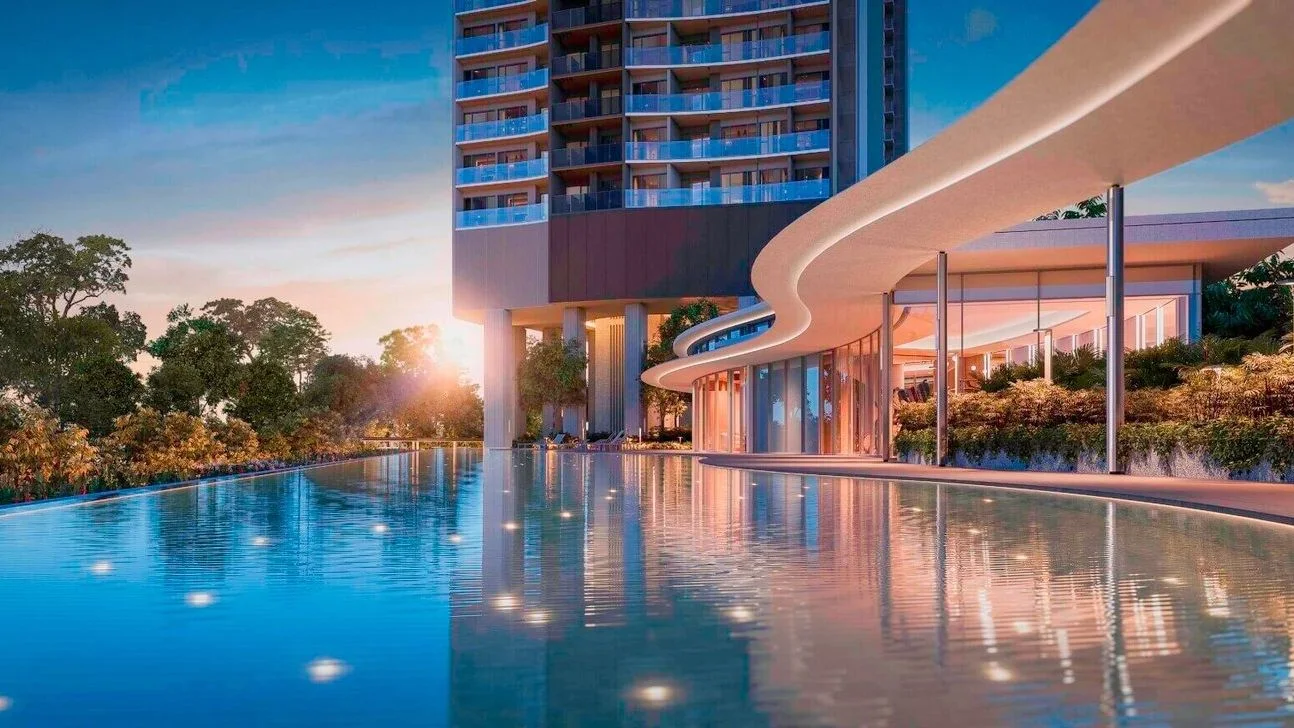
Quick answer: Wing Tai Holdings is an SGX-listed group that has deliberately stayed out of mass-market volume, building small Central Region and upper city-fringe projects instead. That choice produces the premium the brand is known for and the illiquidity that comes with it, and those are not two separate facts about boutique property. They are one fact, read from opposite sides of a transaction.
The mechanism, stated once
Valuation in residential property is comparative. A specific unit is worth what similar units have recently sold for, adjusted for floor, facing, size and condition. Everything else, sentiment, brand, argument, operates around that anchor.
The anchor requires transactions. Consider what each size of development actually produces:
| Development size | Sales in a typical year | What a valuer can do |
|---|---|---|
| 2,000+ units | Dozens, across most layouts | Match the exact stack and layout |
| 500 - 800 units | Several | Match approximately, adjust modestly |
| Under 200 units | Sometimes none | Reach outward to other buildings entirely |
In the bottom row the comparative method partly breaks down. There may be no sale of a comparable unit in the building for 12 months or more, so the valuer, the buyer and the seller each reach out to different neighbouring developments and adjust by judgement. Three reasonable people using different reference sets arrive at three different numbers.
Why that shows up as a wide spread
When the evidence is thin, buyer and seller are not disagreeing about a known value; they are estimating an unknown one, and they estimate differently in their own favour, as everybody does.
The seller reasons from what the building is worth to someone who wants it: rare, distinctive, hard to replicate. The buyer reasons from the alternatives their money could buy elsewhere, which are numerous. Both are being reasonable. The distance between them is the spread, and it is why boutique units can sit for 6 months and then transact suddenly when the right buyer appears.
Financing compounds it. A purchaser needing a mortgage requires a valuation, and a valuer with no comparables in the building is cautious rather than generous. A gap between an agreed price and a supportable valuation has to be bridged in cash, which removes some buyers entirely and narrows the pool further.
The premium is the other half of the same coin
None of the above argues that boutique developments are overpriced: the premium is real, and it comes from the identical fact.
A development of a hundred and fifty units in an established Central Region pocket is genuinely scarce. A household that wants that address, that scale of estate and that degree of privacy has very few substitutes, and substitutability is what governs price. Where alternatives are plentiful, price converges downward; where they are not, a motivated buyer pays.
So the same small unit count that starves the transaction record also removes the seller’s competition. Both effects are permanent features of the asset, and an owner experiences whichever one the timing of their sale exposes them to.
The management corporation at small scale
Scale governs the running of the estate as directly as it governs the price, and at the boutique end the arithmetic is unforgiving.
Certain costs of running a development barely change with size. Managing agent fees, insurance, statutory inspections, lift maintenance contracts, security cover and the repainting of the external fabric every 5 to 7 years are broadly a function of the building rather than of how many households are in it. Divide those across a hundred and fifty owners instead of a thousand and each contribution is larger.
Facilities amplify it. A pool, a gym and a function room cost roughly the same to maintain whether they serve 150 households or 800, and the smaller estate pays the same bill among fewer people. That is why boutique developments frequently carry noticeably higher monthly contributions than larger ones with comparable amenities, and the reason is the smaller denominator rather than any weakness in how they are managed.
The sinking fund carries the same asymmetry, and it is the one that surprises owners. When a major item reaches replacement, lift plant, roofing, a facade repaint, the cost is shared among few. If the fund was underprovisioned, the shortfall arrives as a special levy, and a large project divided by a small number of owners produces a per-household figure that can exceed S$10,000.
None of this is a reason to avoid a small development. It is a reason to read two documents before buying one: the current year’s budget and the sinking fund balance against the age of the building’s major plant. In a boutique estate those two numbers say more about the cost of ownership than the maintenance fee quoted at a viewing.
What this implies about holding
The practical conclusion follows directly and is unusually clear-cut.
Boutique property rewards optionality about timing and punishes deadlines. A seller who can wait for the buyer who wants their specific building will usually be pleased with the outcome. A seller who must complete by a date will meet a market with few participants and little evidence, and will discover the spread from the wrong side.
That argues for a specific kind of buyer: one whose plans are not contingent on selling, whose financing is comfortable rather than stretched, and whose horizon is long enough that a slow market is an inconvenience rather than a problem. For that buyer, the premium is defensible and the illiquidity costs nothing they will use.
For anyone else, a larger development in the same district, where the evidence is dense and a sale takes weeks rather than seasons, is the better instrument, even at a lower headline prestige. The Allgreen profile sets out what that end of the scale looks like.
A final observation about the strategy itself, since it is a choice rather than an accident. Staying out of mass-market volume means fewer, smaller projects and therefore a lumpier business: revenue arrives in lumps, when a project completes and sells. For a listed company that is a harder story to tell shareholders than a pipeline of large launches, and choosing it anyway is a statement about where the group believes its advantage lies. A buyer should read it as consistency of positioning rather than as a claim about any particular building.
Reading Wing Tai specifically
The group is listed, which means the ordinary financial diligence is available: audited accounts, disclosed gearing, an inventory position and a development pipeline. That answers the counterparty question on any launch, and it is worth using.
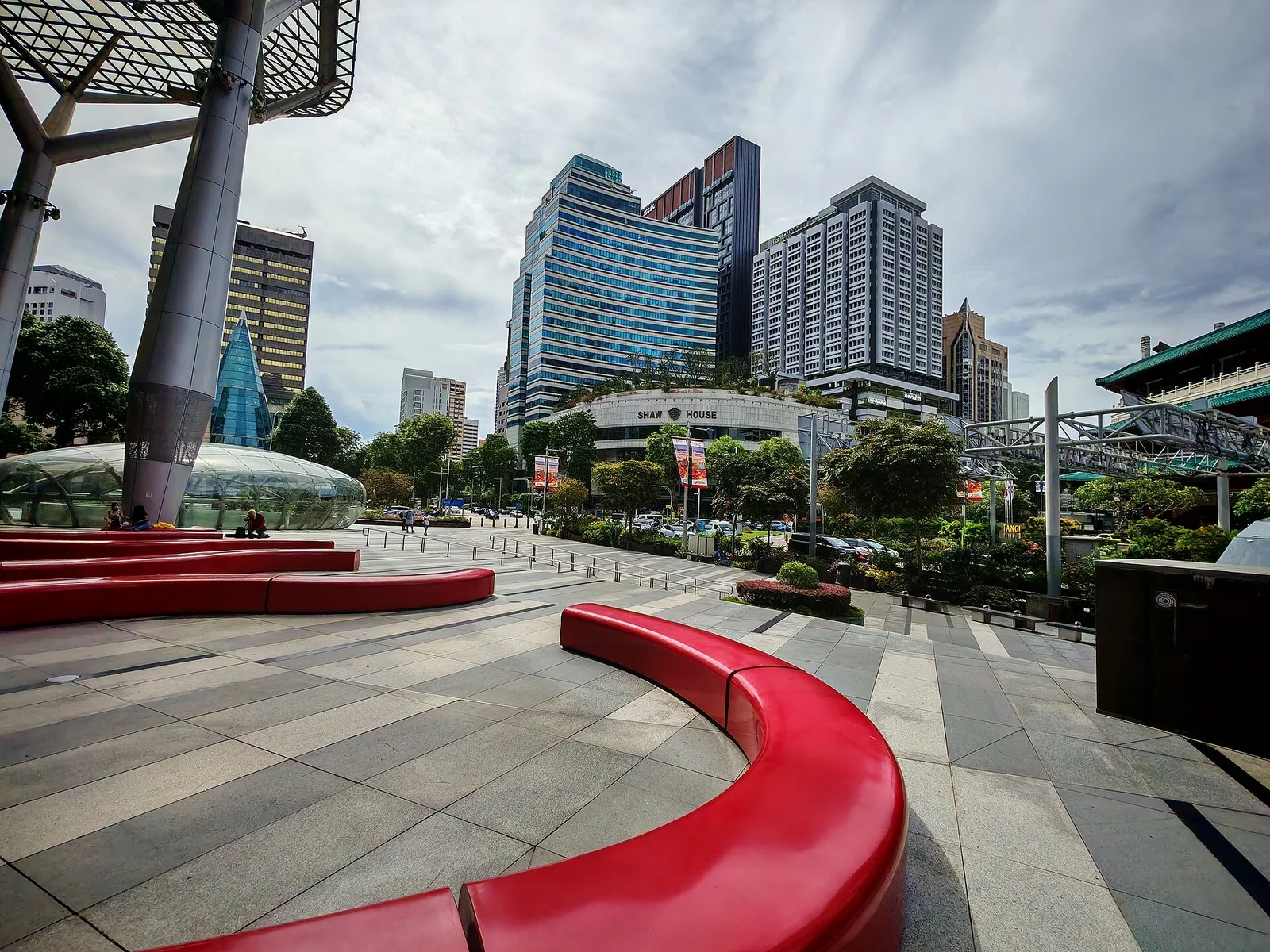
The rest of the group, Lanson Place serviced residences across Asia, and the TANGS retail business at Tang Plaza on Orchard Road, situates the company in a premium consumer market, consistent with how it positions its residential work. Neither business builds apartments, and neither is evidence about construction standards or handover, which come from completed developments.
Those completed developments are where a buyer should look, and the group has delivered across the Central Region and, at Middle Road in District 7, at larger scale in the city fringe. Common areas after 10 years, plant condition, and what owners say about defect rectification are the tests, as they are everywhere.
For how a specific small D10 launch reads on these terms, see The Serra Residences; for the regional framework these districts sit within, the CCR, RCR and OCR guide; for the cost of an exit inside four years, which matters disproportionately where sales take time, the seller’s stamp duty ladder; and for booking procedure at any launch, the new launch guide.
Frequently Asked Questions
A selective one. Wing Tai (SGX: W05) has concentrated on Central Region and upper city-fringe residential rather than pursuing mass-market volume, and its projects are typically small. The group's origins are in Hong Kong textiles in the 1950s; it moved into Singapore property development from the 1980s and also runs Lanson Place serviced residences and the TANGS retail business on Orchard Road.
Because value is established by transactions, and a small development produces very few. With only a handful of sales a year across all layouts, there is often no recent comparable for a specific unit, so buyer and seller are each reasoning from adjusted evidence rather than from a matching sale. When two parties price from different assumptions, the gap between the best bid and the lowest ask widens, and deals take longer.
Yes, and it is the same fact. A development with few units and a distinctive position has genuinely limited supply, and buyers who want that specific thing have nowhere else to go, which supports price. Limited supply and thin transaction evidence are not two properties, they are one property seen from the buying side and the selling side.
Sell when you choose, not when you must. A patient seller in a boutique development usually achieves a strong price because the buyer who wants that building has few alternatives. A seller on a deadline has almost no leverage, and may also find that a purchaser's valuation for financing is difficult to support for want of comparables.
Not against a district average, which is the wrong instrument at this scale. Against the development's own transaction history however sparse, against directly comparable small developments in the same pocket, and against an honest view of how long a sale would take. If the answer to the last question is uncomfortable, the premium is being paid for something the buyer will have to hold.
Only as context for how the group positions itself. Lanson Place and the Orchard Road retail business place Wing Tai in a premium consumer market, which is consistent with its residential positioning. Neither builds apartments, and neither is evidence about construction or handover.
Get your Singapore property shortlist
Share your budget and target region. We respond within one business day.