
Lentor Gardens Residences Review 2026: From S$1.89m
Lentor was assembled from consecutive land parcels, so the competition at 2030 handover is sibling launches on the same lease, not older stock.
By Invest Singapore Editorial · Updated August 27, 2026 · 9 min read
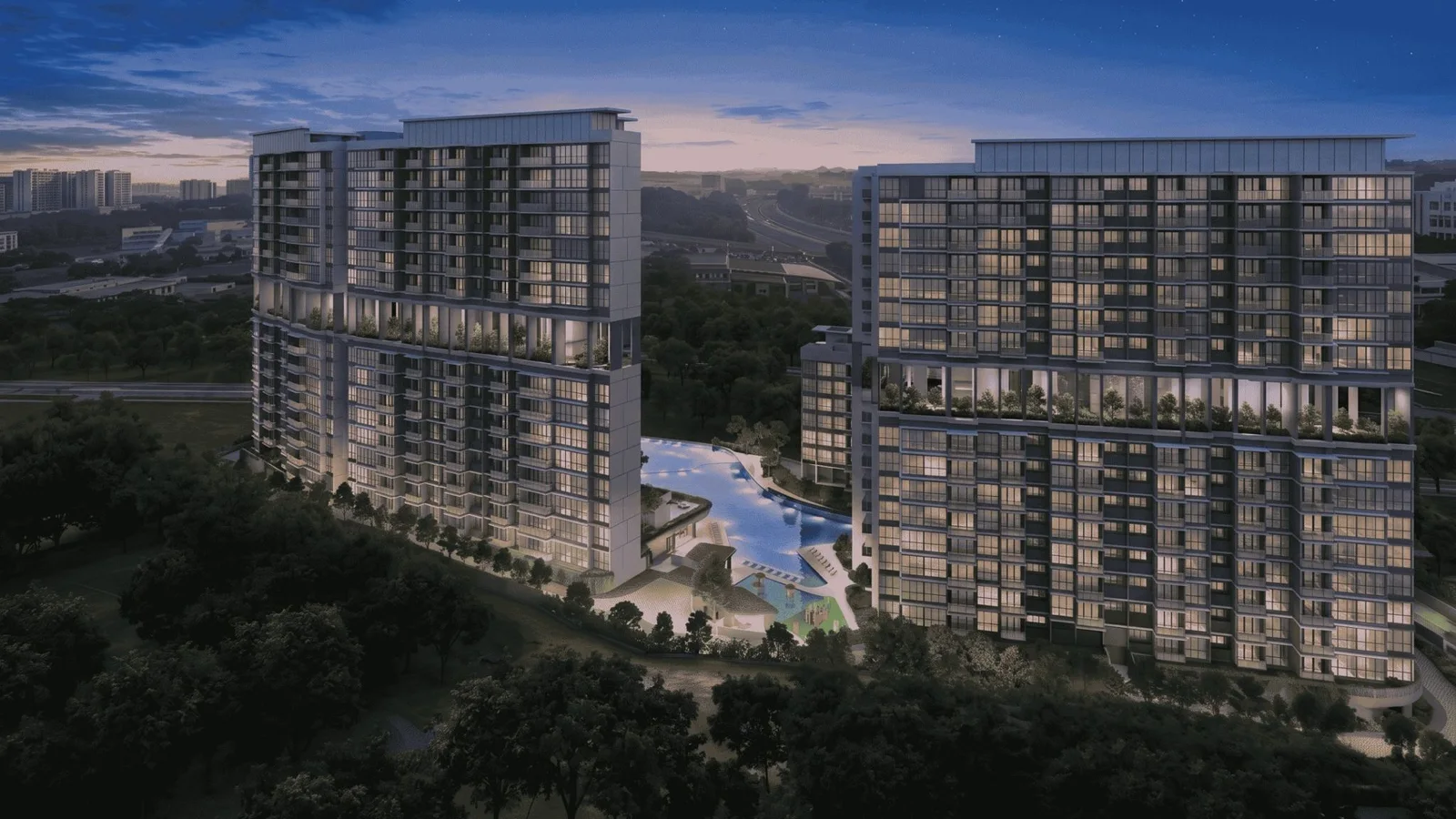
Quick answer: Lentor Gardens Residences is 600 units guiding S$2,100 to S$2,350 psf in the Lentor cluster, completing around 2030. The risk here is not the district or the price. It is that an estate assembled from consecutive land parcels produces neighbours selling the same thing, on the same lease, in the same year.
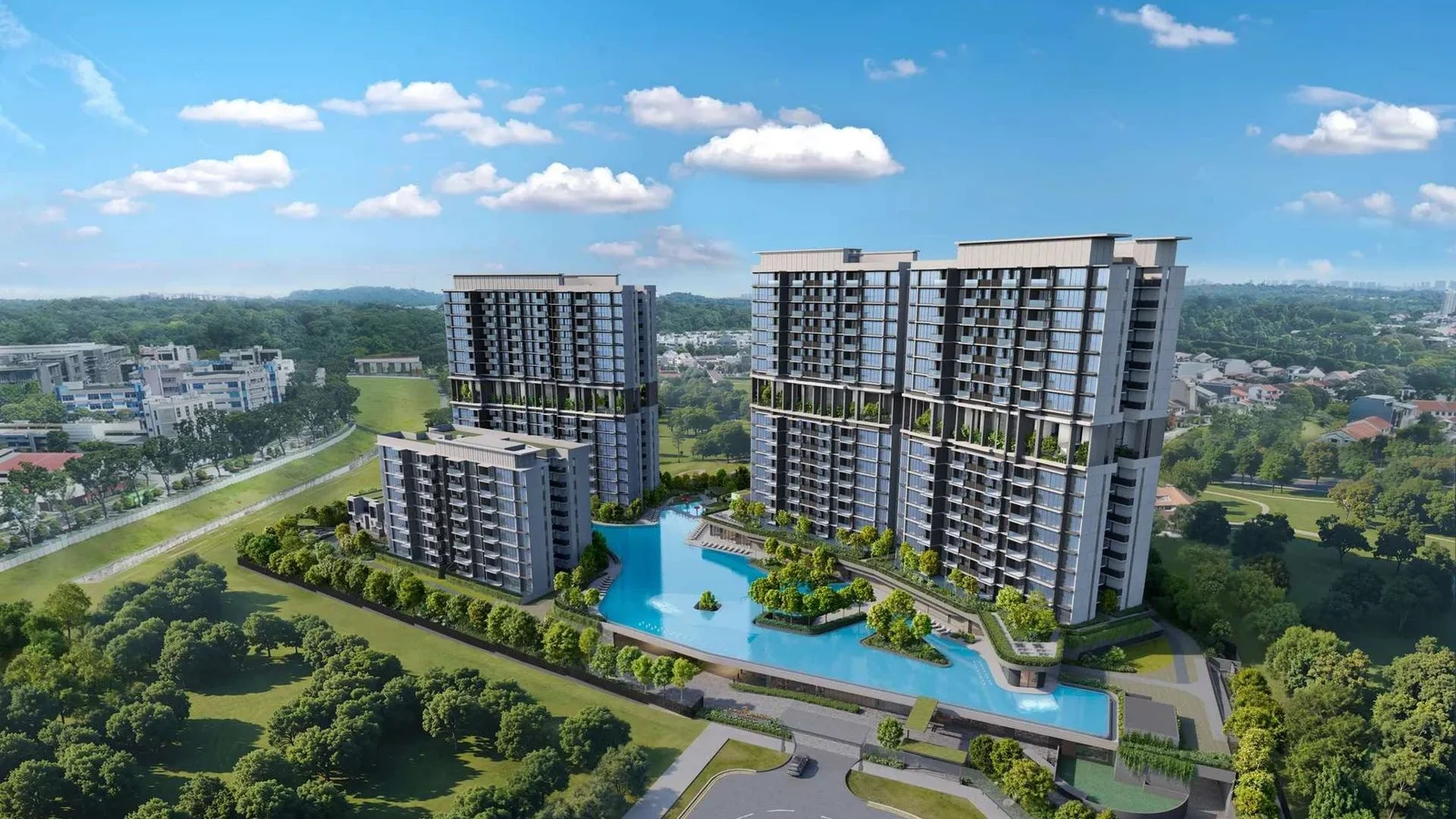
An estate made of siblings
Most Singapore condominiums sit among buildings of different vintages. That variety is what makes a new launch legible: it is the newest thing on the street, with the longest lease and the current specification, and those qualities do the selling.
Lentor was assembled differently. Parcel after parcel came to tender in a short period, and the resulting estate is a set of projects that are contemporaries rather than successors. The consequence is easy to state and easy to underestimate: at handover, the competition has the same lease start, similar layouts, comparable finishes and facilities built to the same generation of expectations.
| What normally differentiates a launch | Whether it differentiates here |
|---|---|
| Fresh 99-year lease | No: the neighbours’ leases start with yours |
| Current specification | No, contemporaries built to the same standard |
| New facilities | No, every parcel delivers its own |
| Stack, floor, facing, layout | Yes, this is what remains |
| Finish quality and delivery | Yes, which is why the developer’s identity matters |
What that does at exit
The number a buyer should be assembling is not this project’s 600 units. It is the total arriving in the Lentor cluster within roughly twelve months of it. That figure sets the supply a resale listing or a tenancy competes against, and it is knowable from the tender record and published completion expectations.
Two practical effects follow. Rents in the first leasing window are set by whichever owner is most motivated across the whole estate, not by the merits of any one project. And sub-sale pricing loses the usual anchor, because the obvious comparables are units in buildings that opened the same month rather than transactions with history.
None of this makes Lentor a poor place to own. It makes the first two or three years after completion the difficult part of the hold, and a buyer whose plan requires an exit in exactly that period is planning against the estate’s structure.
The one advantage a sibling estate does confer
There is a compensation, and it is worth naming because the rest of this page is a caution. An estate built all at once has no legacy stock dragging on it. There are no 1990s blocks with tired common areas setting the neighbourhood’s reference price, no maintenance disputes inherited from an older management corporation, no lease decay visible on the street. Every building a valuer or a future buyer looks at is modern.
That tends to hold the estate’s floor up. In a mixed-vintage district the cheapest comparable transaction is usually an older, larger, shabbier unit, and it anchors expectations downward. At Lentor the cheapest comparable is another new apartment, which is a materially higher floor. So while the ceiling is harder to reach because nothing distinguishes one project from its neighbours, the floor is firmer than it would be elsewhere in the outer regions.
The practical reading is that this is an estate that rewards patience rather than timing. A buyer who holds past the concentrated completion window, lets through it without needing a peak rent, and sells once the cluster has settled into an ordinary residential address is well positioned. A buyer who needs the first exit window to be a good one is fighting the way the place was built.
Financing a preview-stage purchase
Preview status changes the sequence of a purchase in ways that catch buyers who have only bought resale. There is no valuation to lean on, because the building does not exist; the bank lends against the purchase price and its own view of the market, and the loan is drawn down in stages across roughly four years rather than in one advance at completion.
Three practical consequences follow, and all of them should be settled before a booking fee rather than after.
The approval a buyer needs is an in-principle one, obtained early. It fixes what is affordable before emotion enters at the show unit, and it is assessed against the total debt servicing ratio on today’s income and today’s other obligations.
The interest cost is not the headline rate. Under progressive payments interest accrues only on the amount drawn, so the early years are cheap and the cost rises as construction advances. A buyer modelling the full monthly repayment from year one will overstate the near-term burden and understate the step-up that arrives near completion.
The rate at drawdown is not the rate at booking. Four years is long enough for the borrowing environment to change completely, and the loan is stress-tested against a medium-term floor rather than the promotional rate on offer today. Anyone whose plan only works at the current rate does not have a plan.
None of this is specific to Lentor, but it bites harder in a cluster where several projects complete together: a buyer who is stretched at drawdown, in a year when several hundred neighbouring units are also seeking tenants, has the fewest options at precisely the wrong moment.
Where the price sits
| Reference | psf (S$) |
|---|---|
| Lentor Gardens Residences launch guide | 2,100 - 2,350 |
| D26 resale, 2025-26 | 1,848 - 2,233 |
| OCR average, 2026 | 1,575 - 1,998 |
| Indicated entry across layouts | From (S$) | To (S$) |
|---|---|---|
| 600 units, 99-year leasehold, ~2030 | 1,890,000 | 2,643,750 |
The guide overlaps the top of the D26 resale band, which in most districts would be an argument that the launch is fairly priced against older stock. Here it means less than usual, because the resale band itself is thin and increasingly made of the same generation of buildings.
What is worth insisting on
The developer’s identity, first, because in an estate where product is uniform the builder is one of the few remaining variables, and the launch material available for this page names none for a 600-unit project.
Then the cluster map: every parcel, every expected completion, every unit count. An agent who can produce it is being straight with you; the numbers are public.
An overseas buyer meets the largest single line before any of the cluster analysis begins: additional buyer’s stamp duty at 60%, S$1,134,000 against a S$1,890,000 floor, ahead of buyer’s stamp duty. It is charged identically at every parcel in Lentor, so it changes what a buyer can afford without changing which neighbour they choose, the tiers are in the ABSD guide and the treaty exceptions in the remission order. The mature-estate contrast, where the competition is stock you can move into now, is Chuan Grove; regional bands are in the CCR, RCR and OCR guide and the early-exit penalty in the seller’s stamp duty ladder.
The single most useful document a buyer can obtain here is not a price list. It is a table of every Lentor parcel with its unit count and expected completion, because that is the supply this purchase will be measured against for its first three years. An agent who produces it is describing the estate honestly; one who cannot is selling a project inside a cluster while pretending the cluster is not there.
Frequently Asked Questions
That the competition at handover is other Lentor launches rather than resale stock. The estate has been assembled from consecutive government land sale parcels, so neighbouring projects share the same lease start, similar specification and overlapping completion windows around 2030. A buyer selling or letting then is competing against near-identical product rather than against older buildings.
In a mature estate a new launch competes with completed stock of varying age, which differentiates it: a fresh 99-year lease and current specification are real advantages. At Lentor almost everything nearby is also new, so those advantages are shared by the competition and stop being advantages at all.
Indicated entry runs from about S$1,890,000 to S$2,643,750 on a guide of S$2,100 to S$2,350 psf, for 600 units on a 99-year leasehold title with completion indicated around 2030. D26 resale over 2025 and 2026 ran S$1,848 to S$2,233 psf.
The launch material available for this page does not name a developer entity, describing it only as a north-east consortium. For 600 units funded progressively to 2030 that identity is worth obtaining in writing before a booking fee, together with the partners' completed projects.
Every other Lentor parcel and its expected completion date. The relevant number is not this project's unit count but the total number of units reaching the estate within roughly twelve months of it, because that is the supply a resale listing or a rental listing will sit inside.
It underpins the estate's case, connecting toward Caldecott and the city. It also serves every competing parcel equally, so it supports Lentor's prices as a whole while doing nothing to distinguish one project there from another.
Get your Singapore property shortlist
Share your budget and target region. We respond within one business day.