
Chencharu Close Review 2026: From S$1.20m, 875 Units
Chencharu's land cleared at S$980 psf ppr because the developer must build Yishun a bus interchange and hawker centre first, and recover the cost later.
By Invest Singapore Editorial · Updated August 27, 2026 · 9 min read
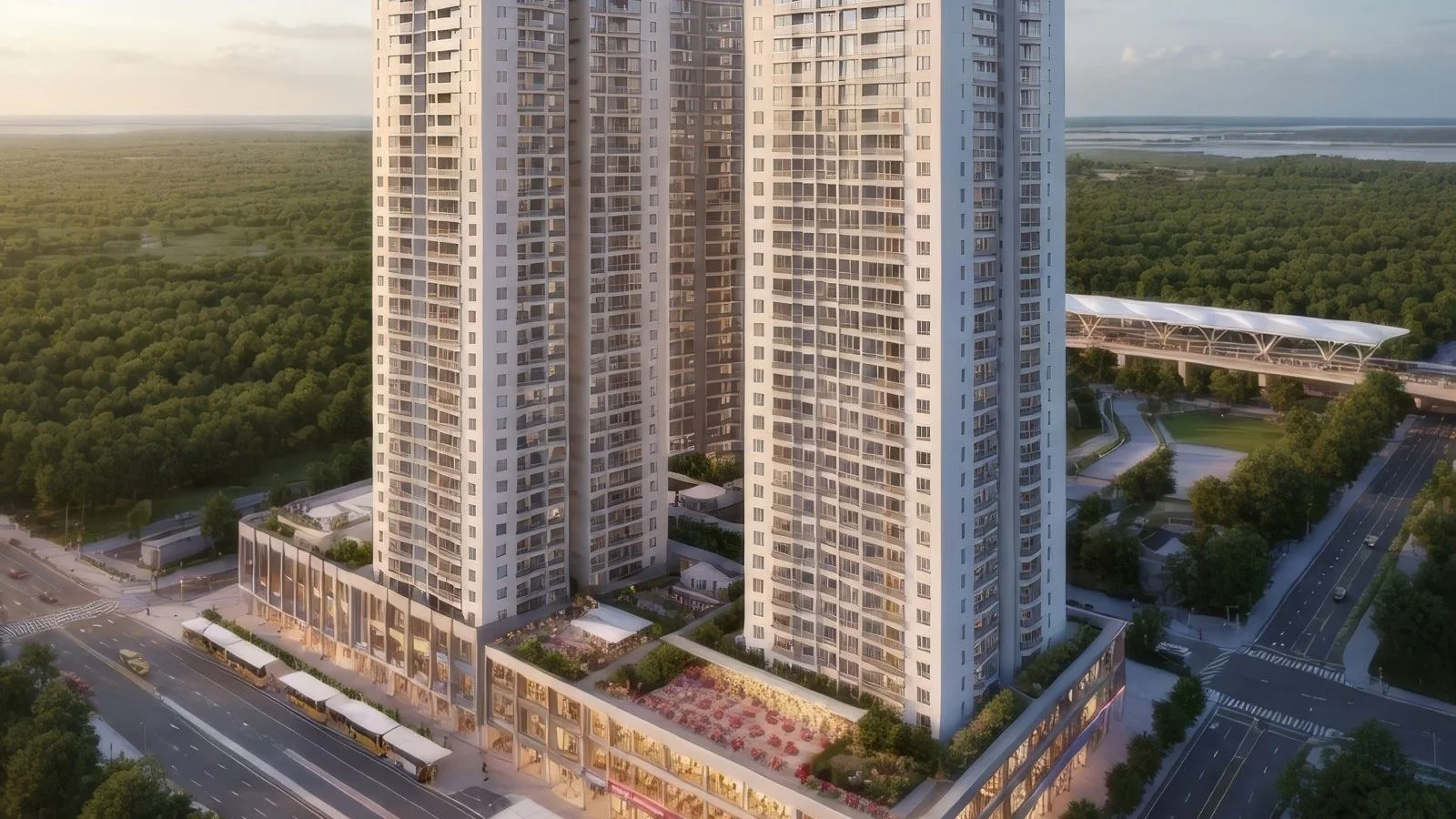
Quick answer: Chencharu Close is 875 units by Evia Real Estate, Gamuda Land and Ho Lee Group on a roughly 317,000 square foot Yishun site awarded at S$1.01 billion, or S$980 psf per plot ratio. That land rate looks low for the location, and the reason is written into the tender: the developer also builds a bus interchange and a hawker centre, and is reimbursed for them later.
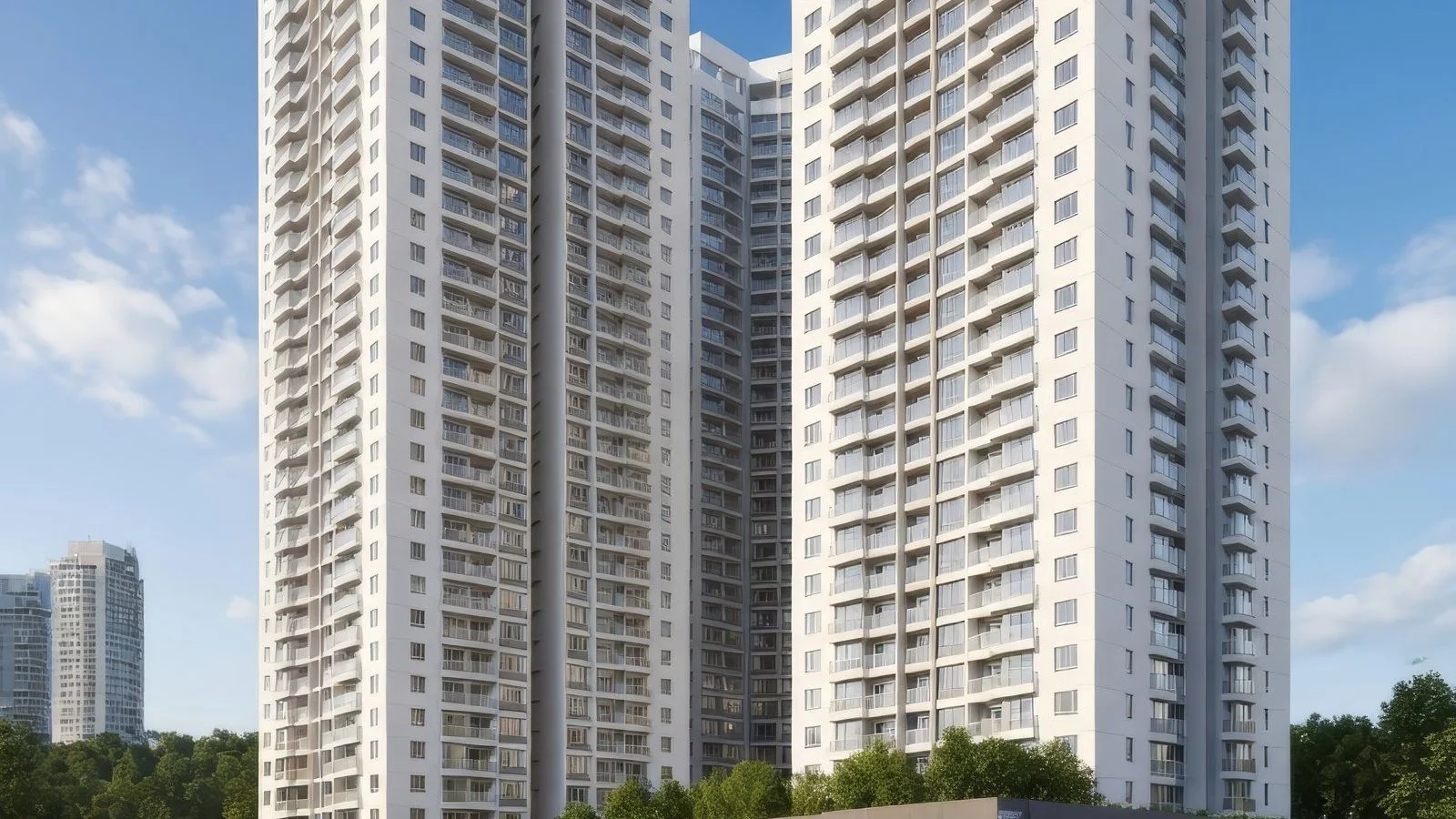
A land rate with a condition attached
Read the tender result on its own and it looks like a bargain: S$1.01 billion for roughly 317,000 square feet, or S$980 per square foot per plot ratio, in a market where comparable outer-region parcels have cleared higher.
Read it with the conditions and the discount explains itself. The winning consortium is obliged to design and build public infrastructure as part of the development, a bus interchange and a hawker centre, and to carry the cost until it is reimbursed. Any bidder pricing that parcel subtracts the working capital, the construction complexity and the timing risk of that obligation from what they are willing to pay for the land.
| What the site includes | Who benefits |
|---|---|
| 875 residential units | The buyers |
| ~135,627 sq ft of commercial space | The precinct and the developer |
| A bus interchange | Yishun, and residents |
| A hawker centre | Yishun, and residents |
This is a common enough structure in Singapore and it is not a hidden liability for the purchaser: the reimbursement is contractual and the risk sits with the developer. But it does explain the headline land rate, and a buyer who cites S$980 psf ppr as evidence that the launch price is generous has read half the sentence.
What complexity does to a timeline
The relevant consequence for a buyer is delivery rather than price. A programme that builds apartments, retail, a hawker centre and a bus interchange on one site has more interfaces, more authorities to satisfy and more sequencing constraints than a residential-only project of the same size.
That does not make delay inevitable, and an experienced consortium prices exactly this. It does mean the questions worth asking are about sequence:
- Is the interchange scheduled to open before, with, or after residential completion?
- Is the hawker centre part of the same phase as the homes, or a later one?
- What happens to residents’ access and amenity in the period between move-in and the public facilities opening?
Those answers exist in the delivery programme. The difference between moving into a home beside a working interchange and moving in beside a construction site is a year or two of daily life, and it is knowable before the option is signed.
Reimbursed later means funded now
The word doing the quiet work in the tender structure is later. The consortium designs and builds the public facilities, and recovers their cost after delivery. Until then, it funds them.
That is ordinary project finance and the risk properly sits with the developer, but it links two things a buyer would otherwise treat as separate. The pace at which the 875 apartments sell determines the cash available to a programme that also has a bus interchange and a hawker centre in it. A launch that sells through quickly funds everything comfortably. A slow one squeezes a programme carrying public deliverables alongside private ones, and the pressure has to be absorbed somewhere in the sequence.
None of this is a reason to expect trouble on a site backed by three established parties. It is a reason to treat the sales pace as information rather than gossip. On a straightforward residential launch, a slow start mainly tells a buyer about pricing. Here it also tells them something about the delivery programme they are buying into, which is why the release percentages are worth asking for at each visit rather than once.
The compensation: amenity that arrives with you
The reason to accept that complexity is that the amenity is not a promise about a masterplan, it is a construction contract. A hawker centre and a bus interchange are the two facilities that most reliably make a Singaporean residential address work, and here they are being built by the same party, on the same site, under the same tender.
Compare that with the more common outer-region proposition, where a buyer is told the precinct will mature and must take the timing on trust. This project’s amenity has a contractor and a completion obligation. It is a materially stronger form of the same argument.
The precinct context matters too. Chencharu is a new housing area within Yishun, envisaged to reach roughly 10,000 homes by 2040, and this is among the first private launches into it. Early positions in a precinct carry the usual asymmetry: the buyer is early enough to benefit if it develops well, and early enough to live through the construction if it develops slowly.
The evidence problem
No new condominium had launched near this site since 2010, which is an unusually long gap and it creates a specific difficulty. There is very little recent private transaction evidence in the immediate area, so the comparables a buyer or a valuer reaches for come from the wider district.
| Reference | psf (S$) |
|---|---|
| Chencharu Close launch guide | 1,500 - 1,800 |
| D27 resale condominiums, 2025-26 | 1,280 - 1,620 |
| Ticket | From (S$) | To (S$) |
|---|---|---|
| 875 units, 99-year leasehold | 1,200,000 | 2,100,000 |
The guide clears the top of the district band. Some of that is the integrated amenity, some is the fresh lease, and some is simply that the district band is built on older stock in a part of Yishun that is not this part. The honest position is that this project will largely set its own comparable evidence, and the first meaningful resale data will be its own sub-sales.
Eight hundred and seventy-five units, in one precinct, at once
Scale here cuts in the buyer’s favour on amenity and against them on the exit. A development of this size supports substantial facilities and spreads the maintenance base widely, which keeps monthly costs proportionate.
At completion, however, it delivers the largest single block of same-age, same-specification private housing the precinct has, into a market with almost no other recent private stock. Owners selling or letting in the first two or three years will be competing principally against each other, and the reference price will be whatever the most motivated among them accepts.
For an owner-occupier planning to stay, that is a phase to sit through. For an investor it is the central timing risk, and it argues for underwriting the first years conservatively rather than on the stabilised assumptions the precinct’s 2040 vision suggests.
What the duty adds
For an overseas buyer the entry cost is dominated not by the land rate discussion but by the duty. Additional buyer’s stamp duty at the 60% foreign tier adds S$720,000 to the S$1,200,000 floor, before buyer’s stamp duty: more than half again the price of the apartment, and unaffected by any efficiency in how the land was acquired. The tiers are in the ABSD guide and the treaty exceptions in the remission order.
Tengah Garden Residences is the other project here that arrives ahead of its town, except that its amenity is programmed rather than contracted, and the distance between those two words is most of what this page has been about. Booking procedure is in the new launch guide, regional definitions in the CCR, RCR and OCR guide, and the early-exit penalty in the seller’s stamp duty ladder. None of the three can tell a buyer the one date that matters most here, which is when the interchange opens.
Frequently Asked Questions
Partly because the winner has to build public infrastructure. URA awarded the roughly 317,000 square foot site at S$1.01 billion, or S$980 psf ppr, in September 2025, and the development must deliver a bus interchange and a hawker centre alongside about 135,627 square feet of commercial space, with those costs reimbursed later. A build-now, recover-later obligation caps what any bidder will pay for the land.
A residential project and, temporarily, a piece of Yishun's public realm. The developer carries the cost of the interchange and the hawker centre through construction and is reimbursed afterwards, so the working capital sits inside the same programme that builds the apartments. That is a delivery-complexity risk rather than a price risk, and it belongs in the buyer's assessment of the timeline.
It lowered the land rate rather than the launch price. A lower land basis gives the developer room, but the guide of S$1,500 to S$1,800 psf sits above the D27 resale band of S$1,280 to S$1,620, so the saving has not been passed to buyers. What the arrangement buys the purchaser is amenity on the doorstep, delivered as part of the project.
A new housing precinct planned within Yishun, envisaged to grow to roughly 10,000 homes by 2040. This project is among the first private launches into it, and no new condominium had launched near the site since The Estuary in 2010, so there is very little recent private comparable evidence in the immediate area.
Entry from about S$1,200,000 to S$2,100,000 on a guide of S$1,500 to S$1,800 psf, for 875 units on a 99-year leasehold title, developed by Evia Real Estate, Gamuda Land and Ho Lee Group.
The delivery sequence in writing: when the interchange and hawker centre are scheduled relative to residential completion, and whether residents move in before or after they open. Living beside an unfinished bus interchange is a materially different experience from living beside a working one, and the answer is in the programme rather than the brochure.
Get your Singapore property shortlist
Share your budget and target region. We respond within one business day.